
How Often Should You Get a Lipid Profile Test?
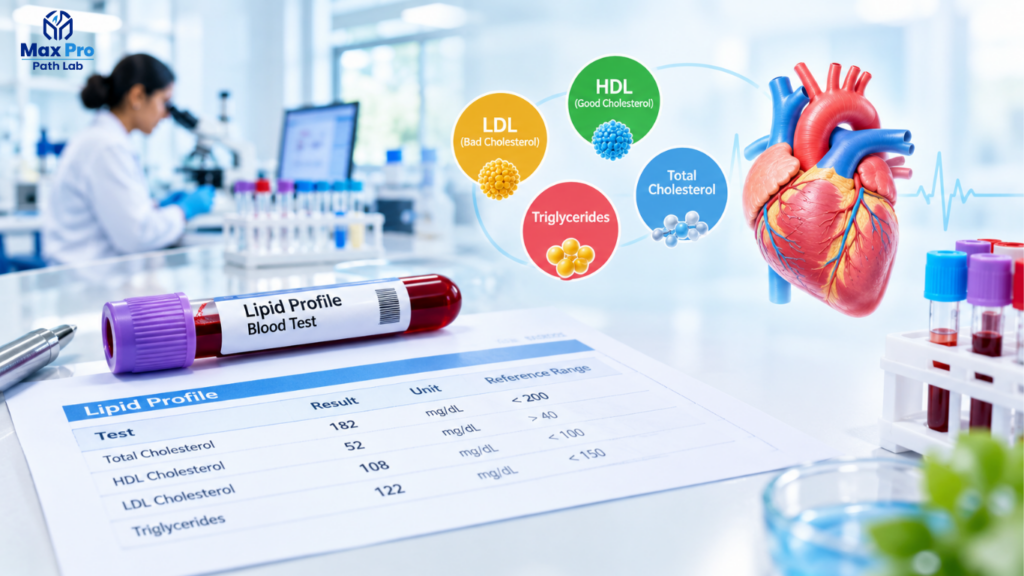
A How Often Should You Get a Lipid Profile Test? is a common question for people who want to keep track of their heart health. A lipid profile is a simple blood test that measures important types of fats in your blood, including total cholesterol, LDL cholesterol, HDL cholesterol and triglycerides.
Even if you feel completely healthy, cholesterol levels can sometimes be higher than normal without causing noticeable symptoms. more info
Regular cholesterol testing can help identify changes early and allow you and your doctor to take appropriate steps through diet, exercise, lifestyle changes or medicines when required. The right testing frequency depends on your age, health condition, family history and other risk factors.
How Often Should You Get a Lipid Profile Test?
For healthy adults, cholesterol testing is generally recommended periodically rather than only when symptoms appear. Many adults may need a lipid profile every few years, but people with certain risk factors may need testing more frequently.
Your doctor may recommend a lipid profile more often if you have:
Therefore, there is no single testing schedule that is suitable for everyone.
How Often Should You Get a Lipid Profile Test Based on Age?
The frequency of cholesterol testing can change with age and individual health needs.
Children and teenagers: Cholesterol screening may be advised at certain ages, especially when there is a family history of high cholesterol or early heart disease.
Young and middle-aged adults: People without major risk factors may be advised to check their cholesterol periodically. The exact interval should be decided according to their overall health and previous test results.
Instead of following a fixed schedule on your own, discuss your previous reports and risk factors with your healthcare provider.
How Often Should You Get a Lipid Profile Test If You Have High Cholesterol?
If your previous report shows high cholesterol, your doctor may recommend testing more frequently. This is particularly important if you have started cholesterol-lowering medication or made significant lifestyle changes.
A repeat test can help determine whether your LDL cholesterol and triglycerides are moving towards the desired range. It can also help your doctor decide whether the current treatment plan needs to be continued or adjusted.
Do not stop or change cholesterol medicines based only on one test result. Your doctor will consider your complete health profile before making treatment decisions.
Why Is a Lipid Profile Test Important?
High cholesterol often does not cause obvious symptoms. A person may feel perfectly normal while having unhealthy cholesterol levels. Over time, excess LDL cholesterol can contribute to plaque formation inside the arteries, increasing cardiovascular risk.
A lipid profile provides useful information about different blood fats:
Looking at these values together gives your doctor a better understanding of your lipid health.
Who Should Consider Regular Cholesterol Testing?
Regular testing can be particularly useful for people who have risk factors for cardiovascular disease. If close family members have experienced heart disease or high cholesterol at a young age, cholesterol screening may be important.
People with diabetes, high blood pressure, obesity or thyroid problems may also require regular monitoring. Lifestyle factors such as a diet high in saturated fats, lack of physical activity and smoking can further increase cardiovascular risk.
Even if you have no known health problem, routine preventive testing can help you understand your current health status.
If you are planning a broader preventive health assessment, you can also read our guide on how often should you do a full body checkup for additional information.
How Can You Maintain Healthy Cholesterol Levels?
Regular testing is only one part of cholesterol management. Your everyday habits also play an important role.
Try to include more vegetables, fruits, whole grains, pulses and fibre-rich foods in your diet. Limit excessive intake of fried foods, processed foods and foods high in saturated fats.
Regular physical activity can also support healthy cholesterol levels and overall heart health. Maintaining a healthy weight, avoiding smoking and limiting alcohol can further support cardiovascular health.
If your doctor has prescribed medication, take it as advised and attend follow-up appointments as recommended.
When Should You Get Your Next Lipid Profile?
The answer depends on your current cholesterol levels, age, family history and other health conditions. Someone with normal results and low cardiovascular risk may not need frequent testing, while someone with high cholesterol or multiple risk factors may require closer monitoring.
Rather than waiting for symptoms, discuss your individual testing schedule with your doctor. Regular monitoring can help identify changes early and support timely management.
A lipid profile is a simple test, but the information it provides can be valuable for long-term heart health. Knowing your cholesterol numbers and understanding what they mean can help you make informed decisions about your lifestyle and healthcare.